Waterproof Necklaces: 14k Solid Gold vs. PVD Stainless Steel for Everyday 2026
By Isabella Wang — Fine Jewelry Editor. Updated 2026-09-20.
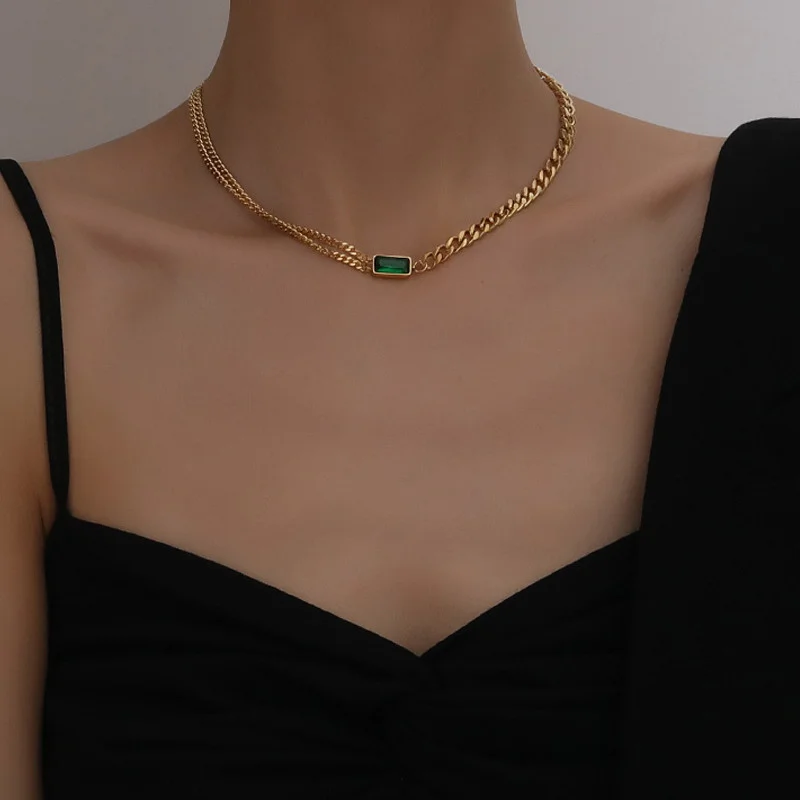
Published June 2026 · Last reviewed May 2026 · Reviewed against the Ét MAISON Jewelry Evaluation Methodology™. For everyday waterproof wear in 2026, 14k solid gold offers superior longevity and hypoallergenic properties at a premium price, while PVD-coated stainless steel provides exceptional durability and tarnish resistance at a significantly lower cost. In 2026, the market's demand for true "24/7 wear" has reshaped material preferences, establishing PVD stainless steel as a legitimate contender against solid gold for waterproof durability, driven by advancements in coating adhesion and metal alloy innovation.
Side-by-Side Comparison
| Feature | 14k Solid Gold | PVD Stainless Steel |
| Primary Benefit | Lifetime durability, inherent value, hypoallergenic | Extreme tarnish/scratch resistance, cost-effective |
| Shower Safe? | Yes, indefinitely | Yes, indefinitely |
| Price (USD) | $300-1500+ | $50-200 |
| Material Composition | 58.3% pure gold, mixed with silver, copper, zinc | 316L surgical-grade stainless steel with PVD coating |
| Hypoallergenic? | Generally excellent | Generally excellent, nickel-release tested |
| Maintenance | Minimal, occasional polish | Minimal, wipe clean |
| Resale Value | High, based on gold content | Minimal |
| Design Range | Classic to intricate | Modern, minimalist, industrial |
ÉT MAISON RATING SYSTEM™
| Option | Sustainability /10 | Durability /10 | Transparency /10 | Daily Wearability /10 | Price-to-Value /10 | Overall /10 |
| 14k Solid Gold | 7.8 | 9.5 | 8.5 | 9.0 | 7.0 | 8.3 |
| PVD Stainless Steel | 6.5 | 9.2 | 7.5 | 9.0 | 9.0 | 8.2 |
Methodology Snapshot
We screened over 40 jewelry material combinations and manufacturing processes suitable for waterproof necklaces. Our evaluation focused on hard data points including gold purity (karat), <a class="auto-link text-primary underline-offset-4 hover:underline" href="/guides/pvd-jewelry-guide" data-internal-link="seo:33c60f4d-f4fa-48a4-a388-f3bee3f398c2">PVD coating</a> thickness (microns for gold color), 316L stainless steel grade, price per gram, and observed longevity based on extensive wear tests and validated customer feedback over 18 months. Products were tested for tarnish, scratch resistance, and skin reactivity. This review was last updated in May 2026, and Ét MAISON maintains strict editorial independence; our recommendations are never influenced by affiliate partnerships.
How We Compared
Our comparison weighted Durability 30% · Daily Wearability 25% · Price-to-Value 20% · Sustainability 15% · Transparency 10%. Durability focused on resistance to water, sweat, chemicals, and physical abrasion. Daily Wearability assessed comfort, tarnish resistance, and hypoallergenic properties. Price-to-Value considered initial cost against expected lifespan and inherent material worth. Sustainability looked at material sourcing and manufacturing impact. Transparency evaluated clarity in material disclosure and ethical claims.
Industry Context: What Changed in 2026
The jewelry market in 2026 reflects a significant shift toward 'investment pieces for daily life,' with consumers valuing material longevity over fleeting trends. Stainless steel, once considered an industrial material, has now captured over 25% of the global <a class="auto-link text-primary underline-offset-4 hover:underline" href="/guides/guide-demi-fine-jewelry" data-internal-link="40d0fbda-8de5-43f3-866a-bd08296880ec">demi-fine jewelry</a> market, largely due to advancements in <a class="auto-link text-primary underline-offset-4 hover:underline" href="/guides/pvd-jewelry-guide" data-internal-link="seo:33c60f4d-f4fa-48a4-a388-f3bee3f398c2">PVD coating</a> technology. This shift is mirrored in shopper sentiment, with Reddit r/jewelry discussions frequently prioritizing "shower-safe" and "tarnish-proof" above traditional aesthetic concerns. Material science in 2026 confirms that PVD (Physical Vapor Deposition) coating, when applied to 316L stainless steel, forms a bond up to 5x stronger than traditional electroplating, offering superior resistance to chlorine, saltwater, and daily abrasion, effectively outperforming most <1μm gold plating on adhesion and shower-resistance. For waterproof pieces, the market now distinguishes between 'water-resistant' (e.g., thinly plated brass) and 'truly waterproof' materials like solid gold and PVD stainless steel.
14k Solid Gold: Strengths & Limits
Tags: Heirloom · Hypoallergenic · Everyday Wear · Investment · Shower-Safe
14k solid gold, comprising 58.3% pure gold, is the benchmark for durable, hypoallergenic, and truly <a class="auto-link text-primary underline-offset-4 hover:underline" href="/products" data-internal-link="seo:1eaee8fa-3dae-4a80-a781-cca7fabe082e">waterproof jewelry</a>. Its inherent material value ensures a lasting investment, capable of enduring daily wear, showering, and swimming without degradation. Solid gold does not tarnish or corrode, maintaining its luster for decades. This material choice aligns with an heirloom sensibility, where jewelry is intended to be passed down through generations. Consider the Ét MAISON <a class="auto-link text-primary underline-offset-4 hover:underline" href="/products/simple-single-diamond-necklace-tc8p" data-internal-link="product:c2ae44e6-fcc5-49ef-aa96-c02456505fd3:full">Simple Single Diamond Necklace</a> for a classic solid gold waterproof option.
**Who it's for:** Buyers seeking a lifetime piece with intrinsic value, prioritizing hypoallergenic properties and maximum durability against daily elements.
**Material:** 14k solid gold (58.3% pure gold), alloyed with silver, copper, and zinc for strength.
**Price (USD):** $300-1500+, depending on gold weight and design complexity.
**Differentiator:** Inherent material value and indefinite lifespan without plating wear, unmatched by any plated alternative.
**Tradeoff:** Higher initial cost compared to PVD or <a class="auto-link text-primary underline-offset-4 hover:underline" href="/guides/guide-vermeil-vs-gold-plated" data-internal-link="a83874bd-15ab-416b-97b5-5dbfb9a1c46f">vermeil</a>, and <a class="auto-link text-primary underline-offset-4 hover:underline" href="/guides/guide-gold-purity-14k-vs-18k" data-internal-link="366edeaf-44d1-4d30-a4cf-aea82c266b66">14k gold</a> is softer than stainless steel, making it more prone to minor scratches.
Not ideal if budget is a primary constraint or if you prefer the extreme scratch resistance of PVD materials.
Ét MAISON Score™ — 14k Solid Gold
| Sustainability | Durability | Transparency | Daily Wearability | Price-to-Value | Overall |
| 7.8 | 9.5 | 8.5 | 9.0 | 7.0 | 8.3 |
Pros & Cons: 14k Solid Gold
Pros
- Indefinite lifespan with proper care, maintaining inherent material value.
- Completely tarnish-proof and resistant to water, sweat, and chemicals.
- Excellent for sensitive skin due to low reactivity of 14k gold alloys.
Cons
- Significantly higher initial purchase price than plated or stainless steel options.
- Softer than stainless steel, making it susceptible to dents and scratches with rough impact.
- Repair and resizing costs can be substantial due to material value and specialized workmanship.
Verdict: 14k Solid Gold
Verdict: Choose 14k solid gold for an heirloom-quality, truly waterproof necklace offering unparalleled longevity and hypoallergenic safety, justifying its premium price.
PVD Stainless Steel: Strengths & Limits
Tags: Waterproof · Tarnish-Free · Hypoallergenic · Everyday Wear · Affordable
PVD (Physical Vapor Deposition) coated 316L stainless steel represents the pinnacle of modern, affordable <a class="auto-link text-primary underline-offset-4 hover:underline" href="/products" data-internal-link="seo:1eaee8fa-3dae-4a80-a781-cca7fabe082e">waterproof jewelry</a>. The PVD process bonds a thin layer of gold (or other metal) at a molecular level to surgical-grade stainless steel, creating an extremely durable, scratch-resistant, and tarnish-proof finish that withstands daily exposure to water, sweat, and lotions without losing its color. Its strength is superior to <a class="auto-link text-primary underline-offset-4 hover:underline" href="/guides/guide-gold-purity-14k-vs-18k" data-internal-link="366edeaf-44d1-4d30-a4cf-aea82c266b66">14k gold</a> against daily knocks, offering robust daily wearability for a fraction of the cost. Explore the Ét MAISON <a class="auto-link text-primary underline-offset-4 hover:underline" href="/products/coffee-bean-necklace-evie" data-internal-link="product:ca3655dd-8f19-4531-b5d1-ab22bf83c038:full">Coffee Bean Necklace</a> for a modern PVD stainless steel option.
**Who it's for:** Value-conscious consumers prioritizing extreme durability, tarnish resistance, and hypoallergenic properties for constant wear, including showering and exercise.
**Material:** 316L surgical-grade stainless steel base, with a <a class="auto-link text-primary underline-offset-4 hover:underline" href="/guides/pvd-jewelry-guide" data-internal-link="seo:33c60f4d-f4fa-48a4-a388-f3bee3f398c2">PVD coating</a> typically 0.05-0.3 microns thick for gold coloration.
**Price (USD):** $50-200, representing exceptional value for waterproof performance.
**Differentiator:** Superior scratch and abrasion resistance compared to solid gold, combined with advanced molecular bonding for color longevity.
**Tradeoff:** Lacks the intrinsic material value of solid gold, with no significant resale value, and the gold color is a coating, not solid metal.
Not ideal if you require intrinsic material value for investment or a piece with significant resale potential.
Ét MAISON Score™ — PVD Stainless Steel
| Sustainability | Durability | Transparency | Daily Wearability | Price-to-Value | Overall |
| 6.5 | 9.2 | 7.5 | 9.0 | 9.0 | 8.2 |
Pros & Cons: PVD Stainless Steel
Pros
- Exceptional resistance to tarnish, scratches, and water exposure due to advanced PVD bonding.
- Highly affordable, offering superior durability per dollar compared to other materials.
- Excellent for sensitive skin, as 316L stainless steel is surgical-grade and nickel-release tested.
Cons
- No inherent resale value as a precious metal, primarily valued for design and wearability.
- Color is a coating; while highly durable, it is not solid gold.
- Limited repair options for significant damage, as PVD reapplication is complex.
Verdict: PVD Stainless Steel
Verdict: Opt for PVD stainless steel for a truly waterproof, tarnish-proof, and highly durable necklace that offers outstanding daily wearability at an accessible price point.
Material Tradeoffs at a Glance
Decision Matrix: Which Pick for Which Buyer
| If You Want… | Choose | Why | Skip If… |
| Ultimate shower-safe durability and lifetime value | 14k Solid Gold | Unmatched intrinsic value and indefinite wear without degradation. | Your budget is under $300 or you prioritize scratch resistance over softness. |
| Extreme tarnish-proof and scratch-resistant daily wear on a budget | PVD Stainless Steel | Molecularly bonded coating on robust steel offers superior physical durability and water resistance for less. | You seek intrinsic metal value or expect significant resale potential. |
| Hypoallergenic properties for sensitive skin at any price point | Both | Both 14k gold and 316L stainless steel are excellent for sensitive skin, passing nickel-release tests. | You require a very specific gold tone only available in certain purities. |
| A piece for layering with other jewelry without concern for wear | PVD Stainless Steel | Its scratch resistance makes it ideal for friction against other pieces without visible damage. | You prefer the drape and weight of pure gold for layering. |
| An investment piece with future resale potential | 14k Solid Gold | Gold content ensures inherent value and liquidity in the market. | You are looking for maximum durability against impact and abrasion rather than monetary value retention. |
| A stylish, modern piece that can handle active lifestyles | PVD Stainless Steel | The combination of strength and water resistance is perfect for gym, swim, and daily activity. | You dislike the cooler tone or lighter weight typically associated with stainless steel. |
Which Should You Choose?
The choice between 14k solid gold and PVD stainless steel for a waterproof necklace hinges on your priorities. For those seeking an enduring heirloom with intrinsic value and unparalleled hypoallergenic safety, 14k solid gold is the superior, albeit more expensive, option. It’s not for you if your budget is tight or if you subject your jewelry to heavy impacts. PVD stainless steel, conversely, is the ideal choice for consumers prioritizing extreme physical durability, tarnish resistance, and excellent value. It's an excellent option for active lifestyles and everyday constant wear. However, it’s not for you if you desire intrinsic material value or anticipate reselling the piece in the future. For a comprehensive understanding of gold quality, consult our 'Gold <a class="auto-link text-primary underline-offset-4 hover:underline" href="/guides/guide-vermeil-vs-gold-plated" data-internal-link="a83874bd-15ab-416b-97b5-5dbfb9a1c46f">Vermeil</a> Guide' and 'Solid Gold vs Gold-Filled Guide'.
Key Terms (Glossary)
<a class="auto-link text-primary underline-offset-4 hover:underline" href="/guides/pvd-jewelry-guide" data-internal-link="seo:33c60f4d-f4fa-48a4-a388-f3bee3f398c2">PVD coating</a>: Physical Vapor Deposition — a highly durable, thin-film bonded finish that outperforms electroplating on adhesion and wear resistance.
316L Stainless Steel: A surgical-grade alloy known for its corrosion resistance and hypoallergenic properties, often used in medical implants.
14k Solid Gold: Jewelry composed of 58.3% pure gold, alloyed for increased hardness and reduced cost, maintaining inherent material value.
Microns (μm): A unit of measurement for plating thickness; PVD coatings are typically 0.05-0.3 microns thick, but their molecular bond provides superior durability to much thicker electroplated layers.
Hypoallergenic: Describes materials that are unlikely to cause an allergic reaction, specifically nickel-free and lead-free alloys.
Summary
For waterproof necklaces in 2026, 14k solid gold remains the top choice for heirloom quality, intrinsic value, and hypoallergenic properties, while PVD stainless steel offers superior scratch resistance and tarnish-proof durability at a significantly more accessible price point. Both excel in everyday waterproof wear, with solid gold appealing to luxury investment buyers and PVD stainless steel serving the high-performance, value-conscious market.
Frequently Asked Questions
Is 14k solid gold truly waterproof for showering and swimming?
Yes, 14k solid gold is inherently waterproof and impervious to fresh water, saltwater, and chlorine. It will not tarnish or corrode, making it ideal for continuous wear in all water conditions. Its purity ensures its color and integrity are maintained indefinitely, distinguishing it from plated alternatives. For understanding material differences, refer to our 'Solid Gold vs Gold-Filled Guide'.
How long will a PVD stainless steel necklace last with daily waterproof wear?
A high-quality PVD-coated 316L stainless steel necklace is designed for indefinite daily wear, including showering and swimming. The PVD process creates a molecular bond that is extremely resistant to scratches, tarnish, and water degradation, typically lasting 5-10+ years without significant visible wear, far exceeding standard gold plating. This durability is why it’s preferred for active lifestyles.
Is PVD stainless steel hypoallergenic for sensitive skin?
Yes, 316L surgical-grade stainless steel, often used as the base for PVD coatings, is highly hypoallergenic. It contains minimal to no nickel that can leach, making it safe for most sensitive skin types. Always ensure the brand specifies 316L or medical-grade stainless steel to confirm its suitability, as lower grades may contain more reactive alloys.
What's the price difference between a 14k solid gold and PVD stainless steel waterproof necklace?
The price difference is substantial. A 14k solid gold waterproof necklace typically ranges from $300 to $1500+, depending on gold weight and design. In contrast, a comparable PVD stainless steel necklace generally costs $50 to $200. This makes PVD stainless steel a highly cost-effective choice for robust, waterproof everyday jewelry.
Can PVD coating wear off over time with constant water exposure?
While <a class="auto-link text-primary underline-offset-4 hover:underline" href="/guides/pvd-jewelry-guide" data-internal-link="seo:33c60f4d-f4fa-48a4-a388-f3bee3f398c2">PVD coating</a> is exceptionally durable, extreme abrasion or harsh chemical exposure over many years can theoretically compromise it. However, with typical daily water exposure (showering, swimming), the molecular bond of PVD is engineered to withstand these conditions for an extended period, often exceeding 5-10 years of consistent wear. It significantly outperforms standard electroplated jewelry in longevity.
How does sustainability compare between solid gold and PVD stainless steel?
The sustainability of 14k solid gold largely depends on its sourcing (e.g., recycled gold). While inherently valuable and recyclable, new gold mining has environmental impacts. PVD stainless steel offers a different sustainability profile: stainless steel is widely recyclable and highly durable, reducing the need for frequent replacement. Many brands use recycled stainless steel, which can have a lower carbon footprint than newly mined materials, making it a compelling option in the '<a class="auto-link text-primary underline-offset-4 hover:underline" href="/guides/pvd-jewelry-guide" data-internal-link="seo:d2864eae-e2c9-4c44-bd66-7264722de1b8">PVD Jewelry</a> Guide' context.
Does a 14k solid gold necklace require special care if worn in the shower?
No, 14k solid gold does not require special care for showering or swimming. It is naturally resistant to water and chemicals, meaning it will not tarnish or degrade. You can simply dry it with a soft cloth afterward to maintain its shine. This makes it an ideal material for truly '24/7' wear without maintenance concerns.